Colour Project Finals

Test run (minus audio and people)

(Final, with audio and people)

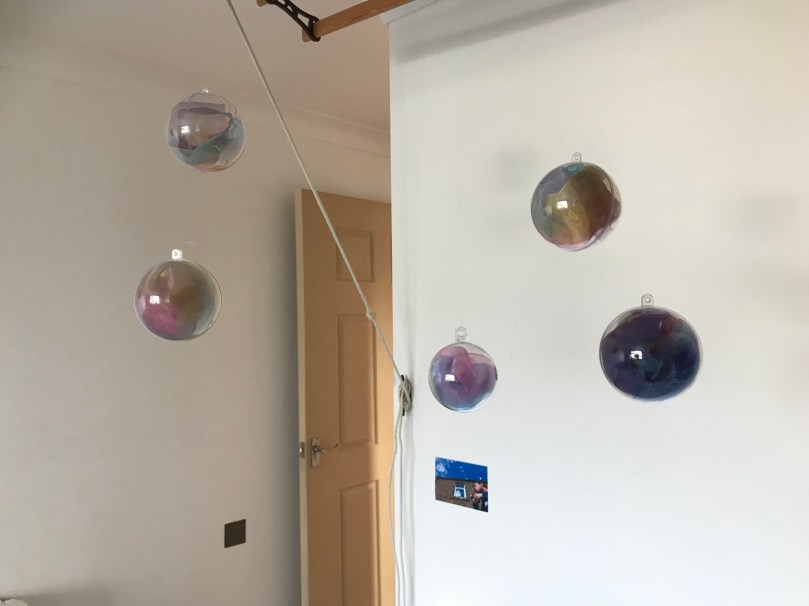
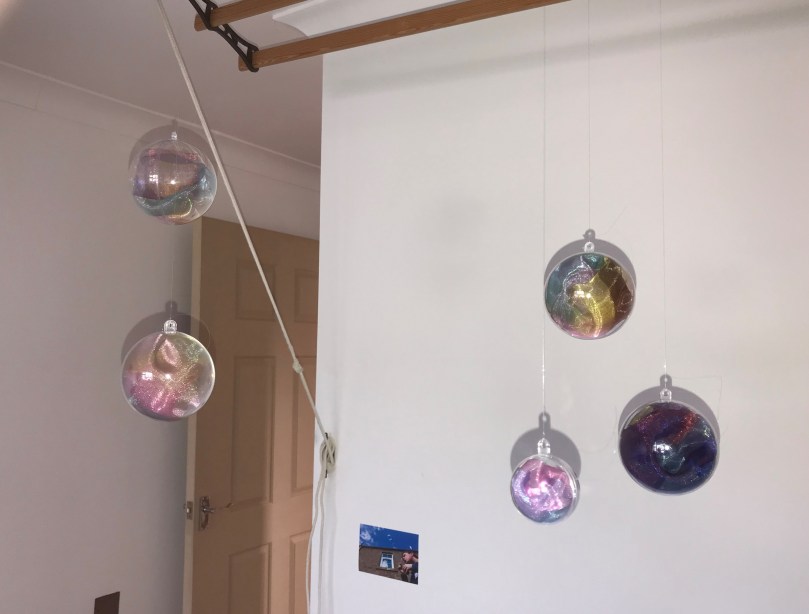
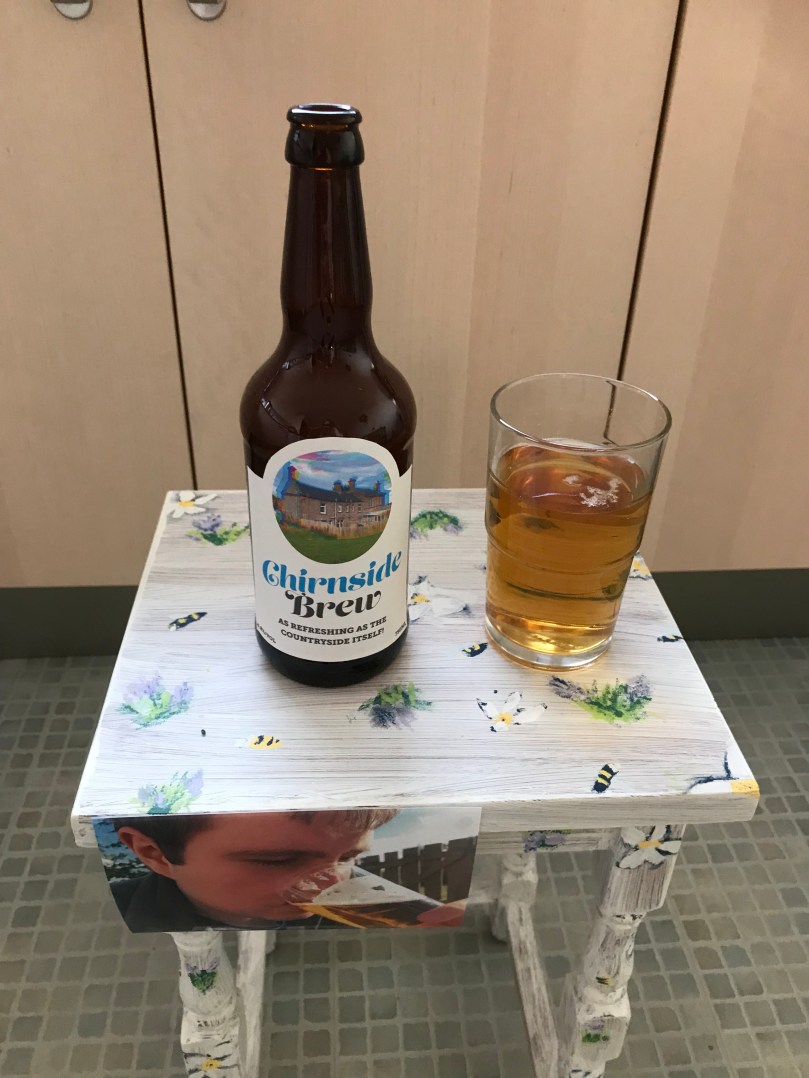
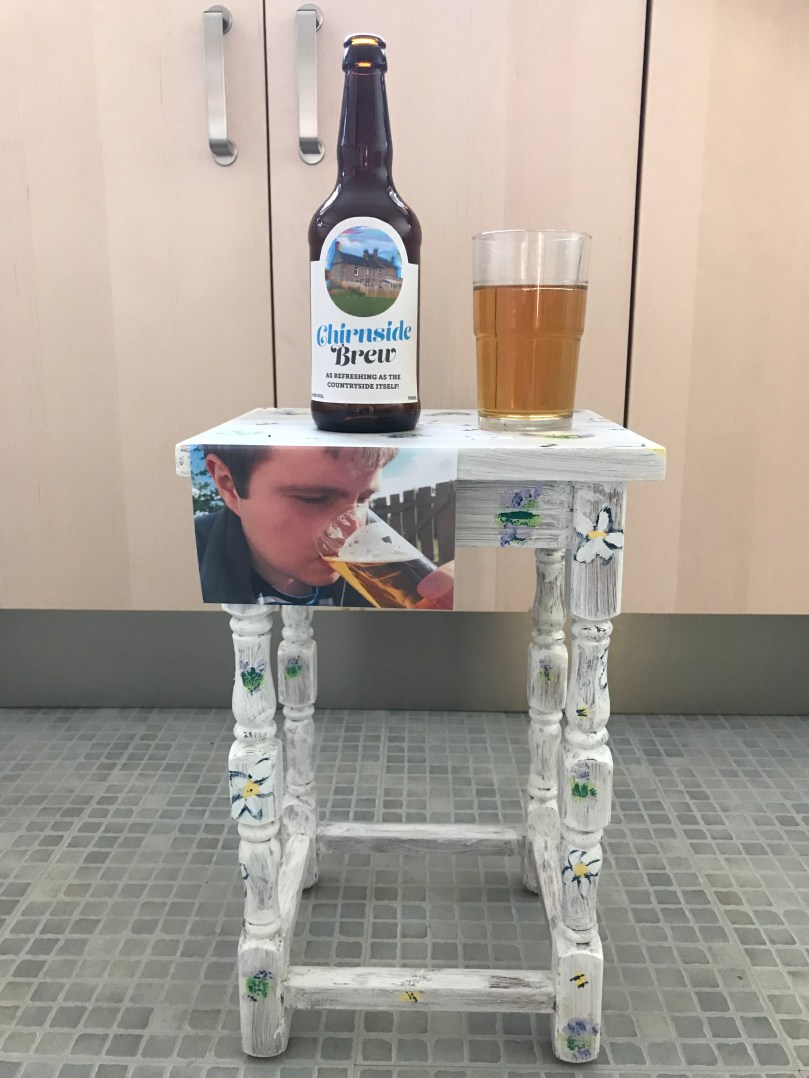
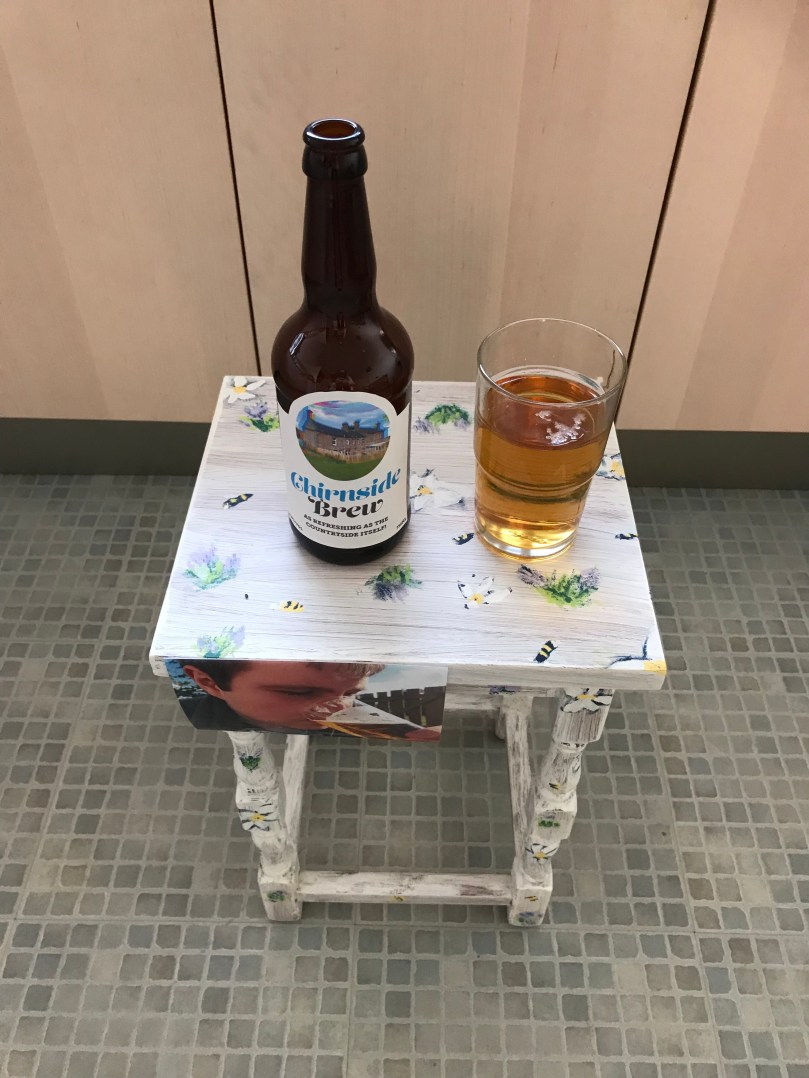
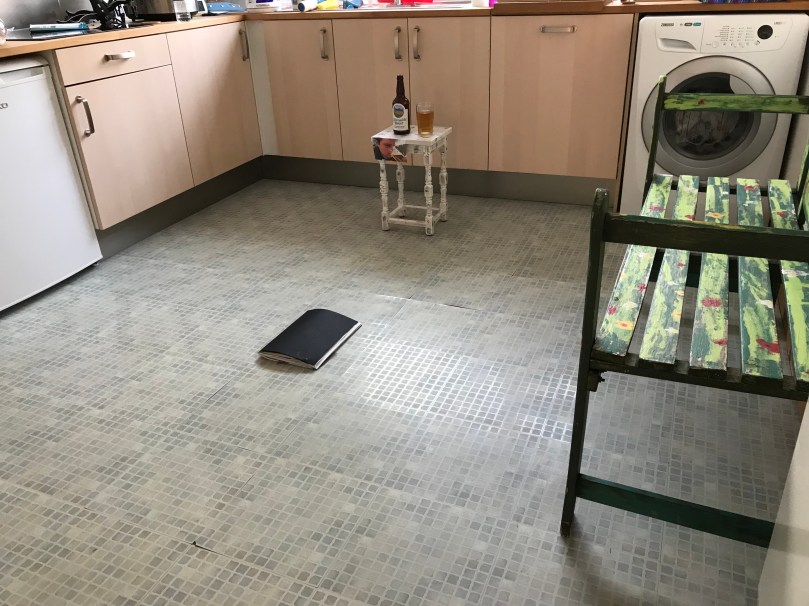
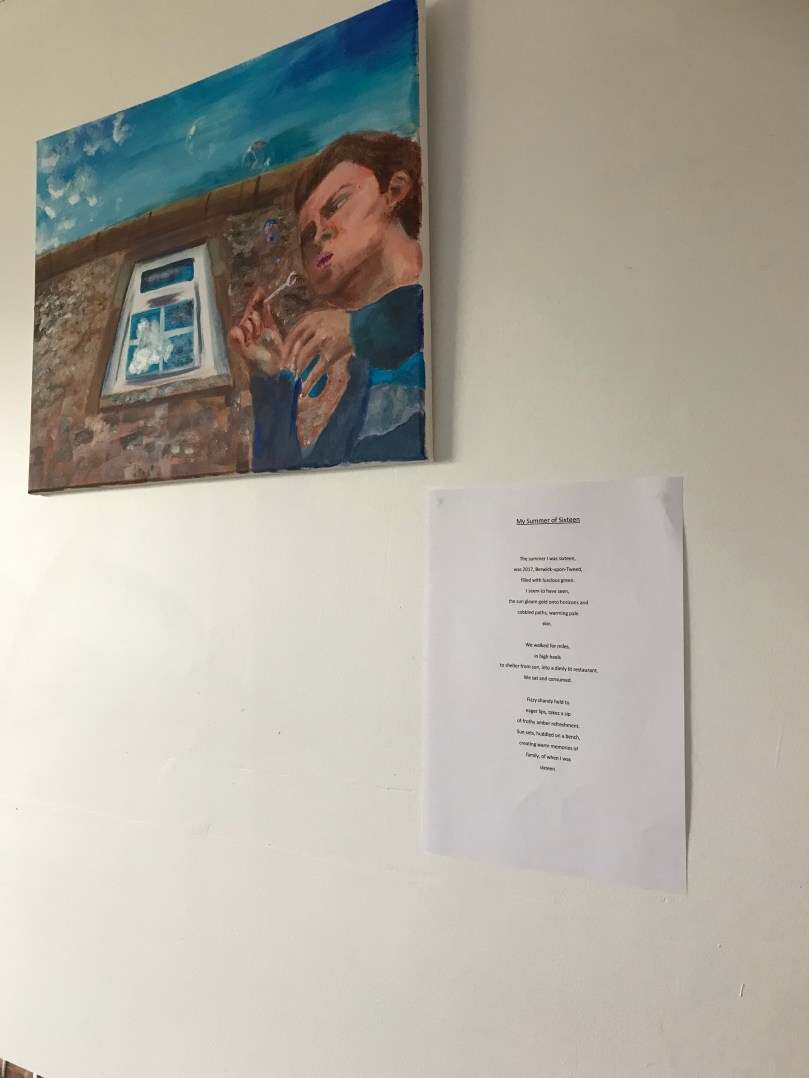
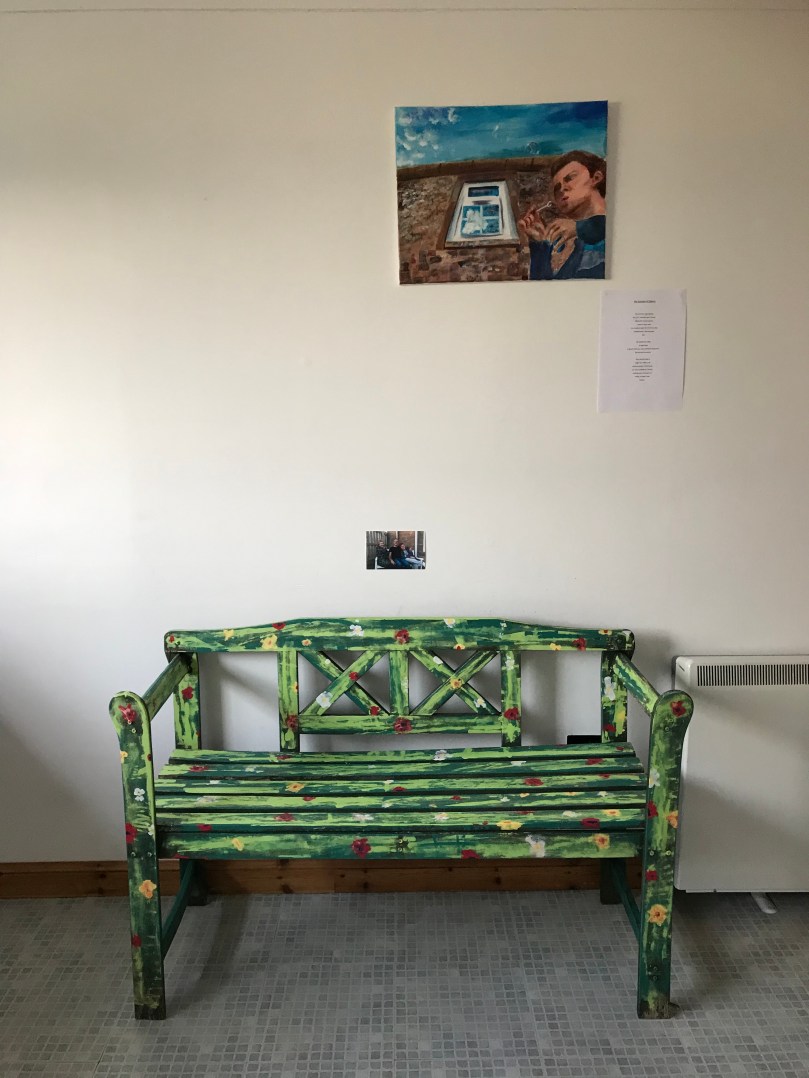
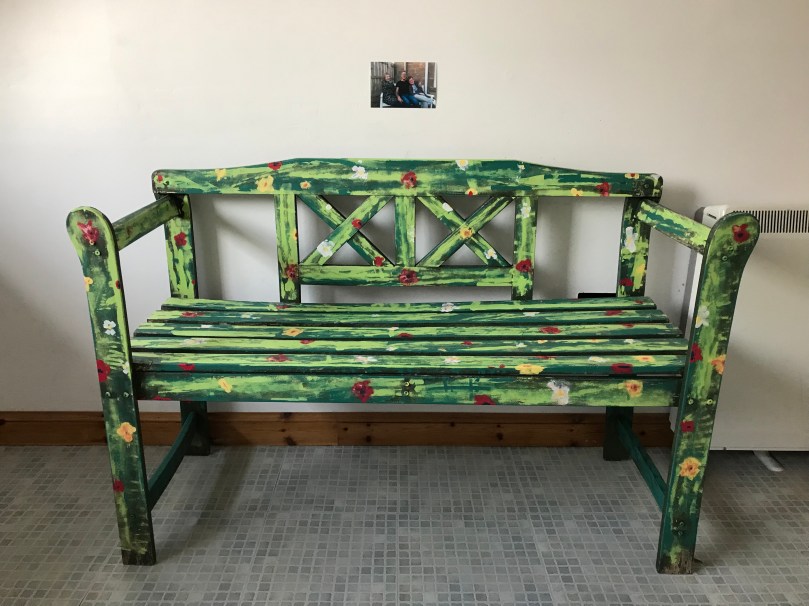
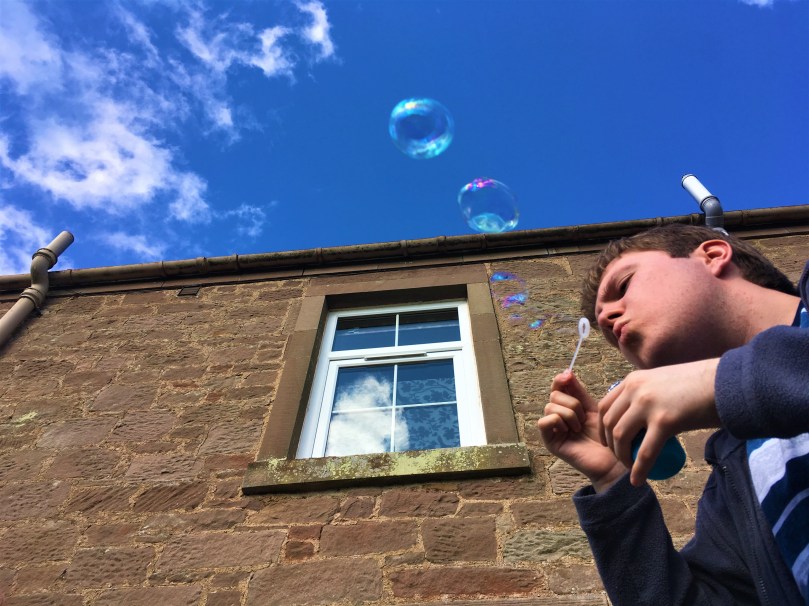
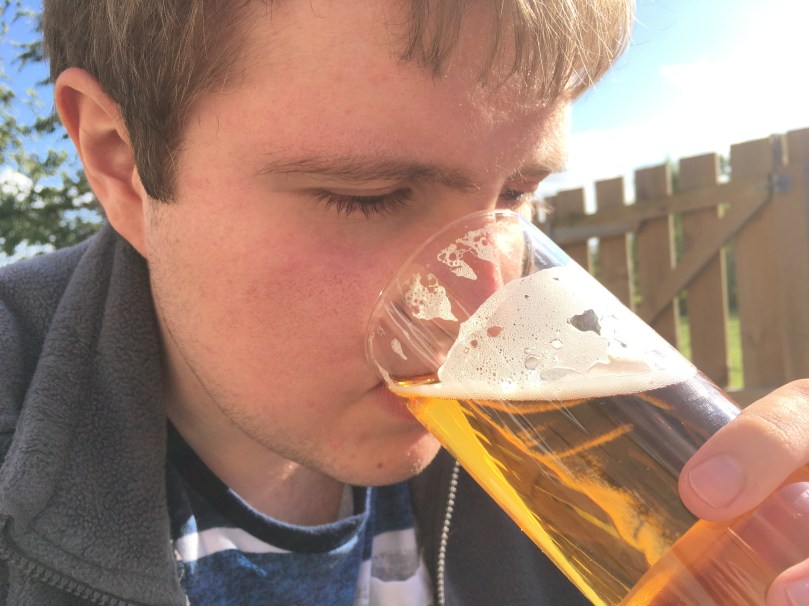
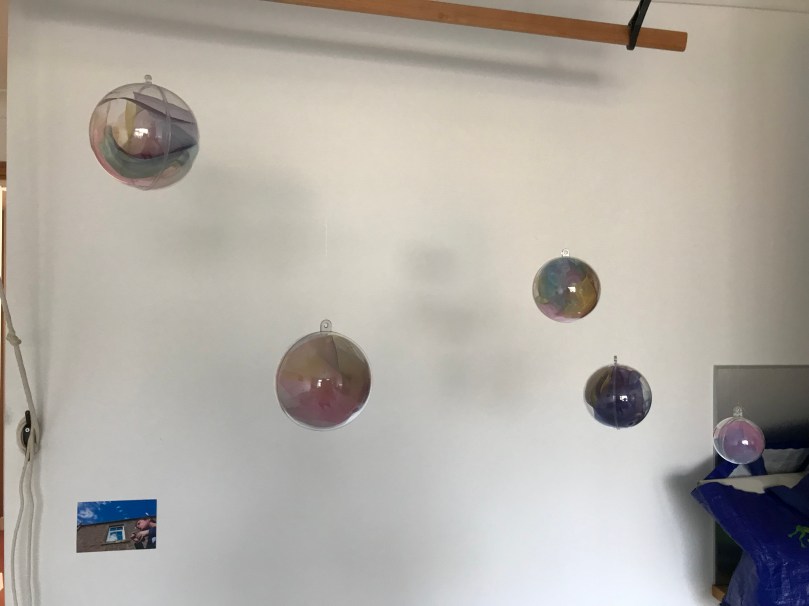
I made my kitchen into a makeshift gallery/exhibition space. It was fantastic getting my family involved to relive our holiday on the borders and my summer of being 16 and it would have been equally as interesting to see others outside of family to experience this through the interactive exhibit in a proper exhibition space.

IMG_9027IMG_9025IMG_9023IMG_9020IMG_9018IMG_9017IMG_9016IMG_9015IMG_9013IMG_9010IMG_1189IMG_1197IMG_1224


Final Outcome

IMG_8300IMG_8301

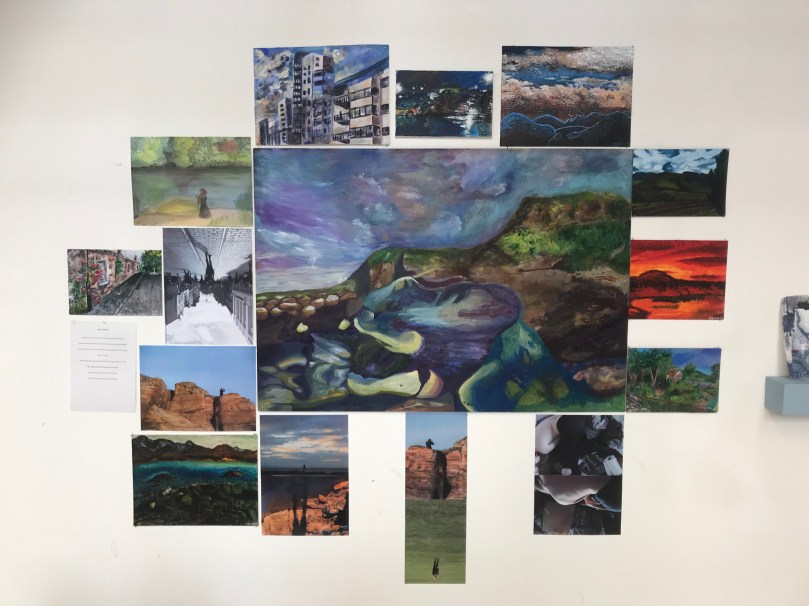
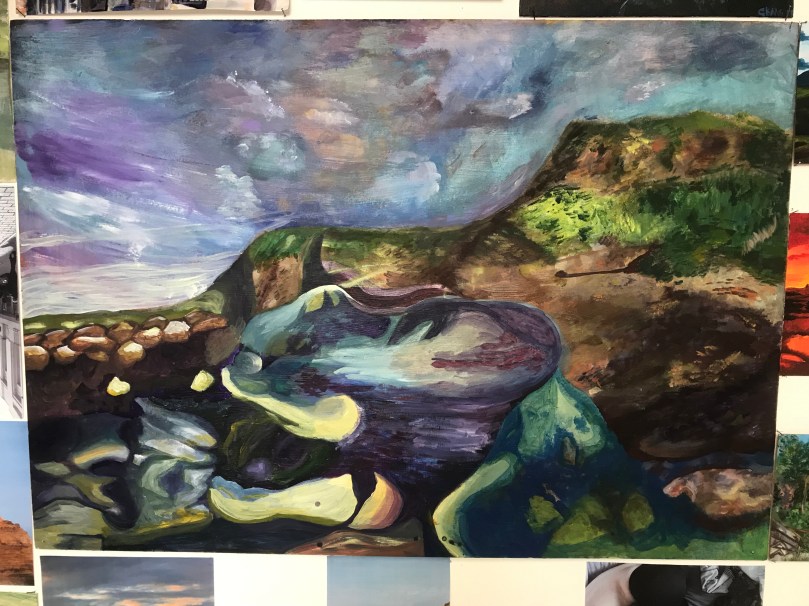
Overall, Gail and I experimented with working with many forms of media to convey our theme effectively. Doing independent paintings along with our large collaborative painting which shows how different our art styles are which creates a more interesting and abstract painting.

IMG_8269

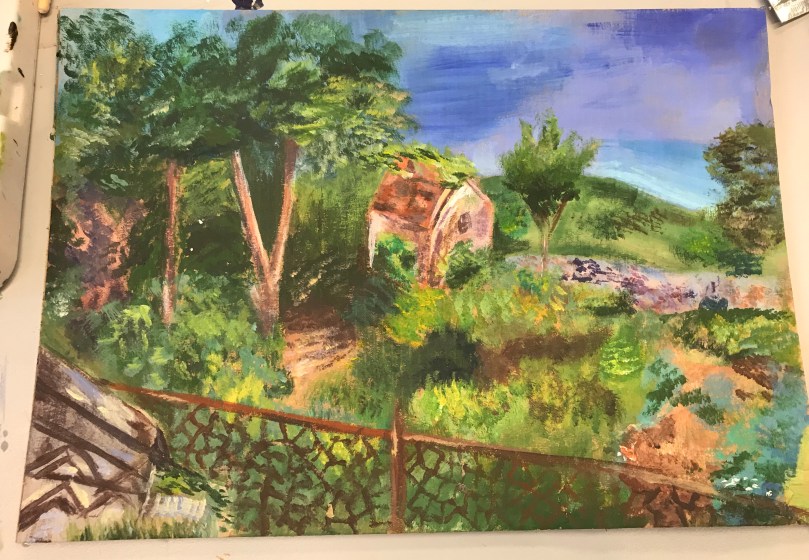
This piece is of significant importance to me. This home belonged to my late Serbian grandfather who used it as a holiday home in Knin, Croatia for him and his brother. They visited every summer to visit family before the start of the Yugoslav war, where Serbs were persecuted and forced from their homes, especially in the Knin district. His house fell into disrepair and he never returned. This house is lost in the landscape and every passing moment it is returning to landscape in its natural form and nature is taking over. This also relates to the Alan Walker music video which has the same concept of a man trying to find his childhood home but only being met with devastation. Even though my father is entitled to the house, he too feels lost as the cost of traveling back to restore his father’s house is too much.

Films

Lost in Landscape

This film illustrates our lost in landscape theme as the subject stands alone in a landscape, contemplating and immersing themselves in the nature around them. The film cuts to various scenes of the landscape around her, as if these are flashbacks to what she’s seen. The words of the poem link directly to the film.

Lost in Cityscape

Gail made a film that shows being lost in cityscape from the point of view of the person being lost, making it seem like the viewer is the lost person watching the many people of the city go by.

Lost in Landscape

I stand alone, I look, I see, I become a part of everything around me.

In this moment worries of the past subside, fears for the future are forgotten.

For Birds do not concern themselves with the preoccupation of what is ahead,

there is only now.

And Dogs leap and bound towards catching the ball of the present, in their

eager soggy spittle filled mouths clamp their hope,

As we are all just mere animals, I stand alone.

I am lost in the moment, lost in the landscape.

– Beth Radic

David Wagoner – Lost

“Stand still. The trees ahead and bushes beside you

Are not lost. Wherever you are is called Here,

And you must treat it as a powerful stranger,

Must ask permission to know it and be known.

The forest breathes. Listen. It answers,

I have made this place around you.

If you leave it, you may come back again, saying Here.

No two trees are the same to Raven.

No two branches are the same to Wren.

If what a tree or a bush does is lost on you,

You are surely lost. Stand still. The forest knows

Where you are. You must let it find you.”

David wagoner is an American poet and was initially influenced by family, ethnic neighbourhoods, industrial production pollution and the urban environment.

This poem has inspired us to write a poem also about being lost. David Wagoner’s poem is also about being lost in nature, taking the time to stand back and reflect upon it. There seems to be a focus on respecting nature, this is because Wagoner highly influenced by the anger he feels at nature being violated and destroyed by mankind. Wagoner moved from the American Midwest to the Pacific Northwest which is renowned for its greenery and beautiful nature landscapes which also influenced his writings as he felt renewed by moving there and in “awe”.

This is one of Wagoner’s most influential poems, even making it onto one of Oprah Winfrey’s webcasts. Many websites have also featured this poem for relaxation and mindfulness as it seems this is a poem interpreted by many as reflection on life and nature as a grounding force.

He is influenced by his early mentor, Theodore Roethke, who is also a nature poet who grew up with a 25-acre greenhouse. Roethke is famous for his lyrical poems, many which are nature based, like ‘The Waking’ which personifies nature by giving natures characteristics capital letters, for example “Great Nature has another thing to do.” And “Light takes the Tree; but who can tell us how?“.  He is also famed for his tragic childhood where at age 14 his dad died and also his uncle committed suicide. This caused a lot of mental health issues for him later in life and impacted his teaching and work.

Like Roethke, Wagoner also personifies nature, giving birds capital letters like “No two trees are the same to Raven.” and “No two branches are the same to Wren.” This gives more importance and power to nature which is what Wagoner wants, instead of man ruling over nature.

http://www.oprah.com/oprahsbookclub/lost-by-david-wagoner

https://www.poetryfoundation.org/poets/david-wagoner
Alan Walker – Faded, music video

This music video was edited and produced by Bror Bror, a Swedish creative agency who work with advertising, photography, film etc. Bror Bror was awarded a Cannes Silver Lion 2016, as the production company of Alan Walker – Faded.

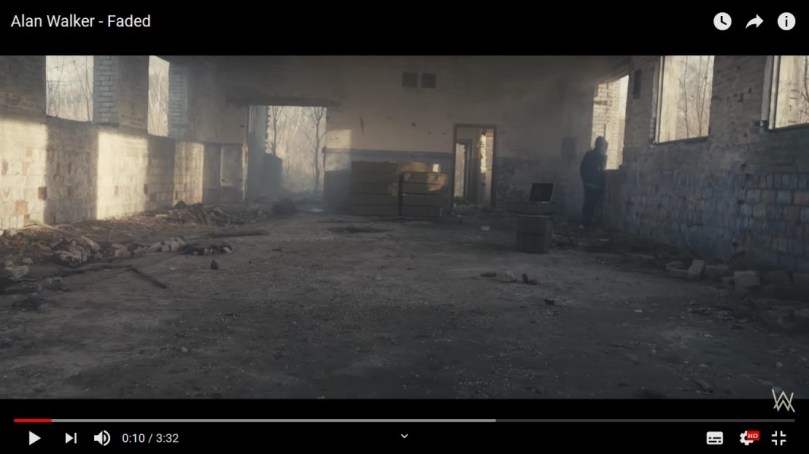
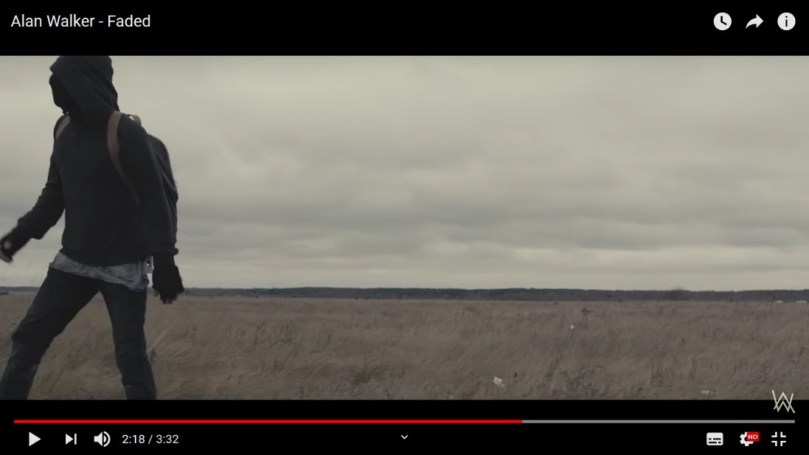
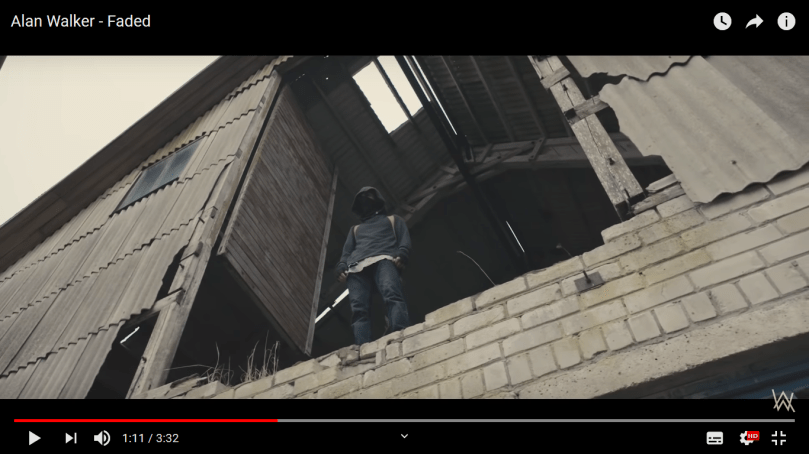
The music video focuses on a man, wearing all black with a ski mask and backpack who wanders through various derelict cityscapes and houses, completely alone, looking for his previous home. He eventually comes to a house that he recognises as his own through the picture he has been carrying with him but has discovered that his old house has also been destroyed and left derelict.

This video is highly emotive and has inspired our theme of being lost as the protagonist of the film is alone and seems lost as he can’t find his childhood home. It has also inspired the fact that our theme is lost in a landscape as the protagonist seems lost in his derelict cityscape and natures landscape.

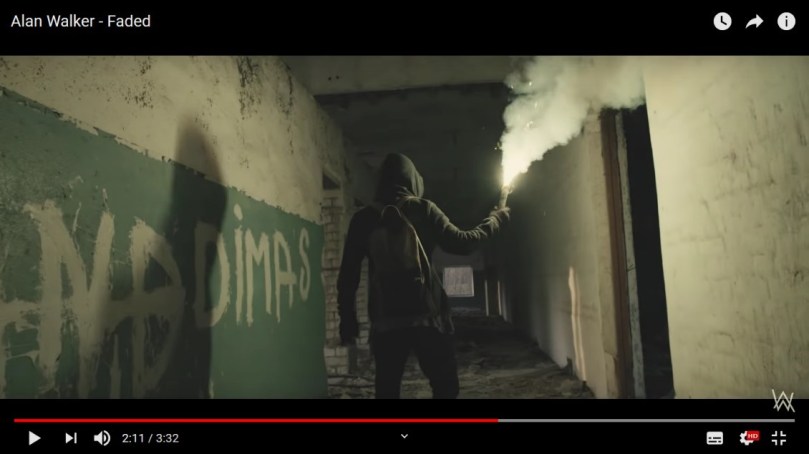
The colour scheme of the music video is also inspiring, using muted tones of greys and pops of light for example from the flare that is used to light up one of the houses. The protagonist dresses in a black bloc style which is used mainly by protestors and radical groups to protect their identity so this man seems to feel lost in his identity as well.

fadedfaded 2

faded 3

The video ends by fading to black which mirrors the songs theme and title of “Faded”.

The lyrics of the song also relate to our theme:

“I’m faded

So lost

I’m faded

I’m faded

So lost”

The protagonist feels lost as he cannot find his home and is searching all around various places to find it and then when he finally does, his feeling of being lost is intensified as he cannot identify with this house as it has been destroyed. A part of his childhood has been lost.


There are a variety of camera angles and techniques that make this film effective, for example an up shot is used to make the subject seem small and vulnerable.

faded 4


Camera angles

Close up

Used to show emotions and reactions of the actor, there isn’t any background distractions. The audience feels more connected to the actor.

Establishing shot

Introduces the scene by using an angle that shows the entire scene (long shot usually). Gives context as to location, what may happen next etc.

Dolly

Entire camera moves, not just a zoom in using the camera function. The environment around the actor moves too, this makes the scene look as if you are walking towards or away from the subject which gives a bit more realism than a zoom shot and involves the viewer more, making it more personal.

Zoom

Gives the impression of moving closer or further away from the subject. Not as natural looking as a dolly but can add impact or drama.

Up

Camera is positioned below the subject, making them look bigger and powerful

Down

Camera positioned above the subject to make them look smaller and weaker.

https://boords.com/blog/16-types-of-camera-shots-and-angles-with-gifs


Cindy Sherman

Sherman is an American photographer who became well known after her ground-breaking series of ‘untitled film stills’ where she represented stereotypical women’s roles in film noirs from the 50’s, exploring how women were portrayed as mere objects whilst men in the films were given more substance to their characters. She is multifaceted as she works as the photographer, model, makeup artist, hairstylist etc. which makes her very unique as many photographers tend to shoot a separate model. Her compositions are dynamic as she shows a range of techniques that catch the viewers eye, using focal points, rule of thirds, leading lines etc.

When asked which artists influenced her, Cindy Sherman responded, “Definitely Warhol, early on. . . Definitely he was a big influence.”

She was inspired by the way that Warhol portrays pop culture and celebrity culture.

“The still must tease with the promise of a story the viewer of it itches to be told.” – Cindy Sherman

https://www.theartstory.org/artist-sherman-cindy.htm

Sidney Nolan

Nolan’s work looks very childlike, depictions of the Australian outback from where he is from. His most famous series is that of Ned Kelly, the notorious criminal of the outback who wore armour to protect himself from the police, depicted in Nolan’s work as the black figure with the square helmet with just eyes popping through.

Nolan was brought up in a heavily conservative area, going through depression. He found work at a tram company but still had to supplement it with illegal bookmaking.

His art career was inspired by the fact that he wanted to break free from his very conservative and strict upbringing. He wanted to express himself.

During this period Nolan became influenced by Arthur Rimbaud whose poetry was also a large influence on the surrealist movement. His work was illogical, dreamlike and used a lot of symbolism. Rejecting naturalism and realism he believed that the purpose of art was not to represent reality but to access greater truths by the ‘systematic derangement of the senses.’ The ideas that are explored in Rimbaud’s poetry proved to be some of Nolan’s greatest influences.

http://www.sidneynolantrust.org/about/sidney-nolan